Canada has made a bold move and has drawn a line in the sand.
In a bold move, the Canadian government has designated Samidoun, a pro-Palestinian organization, as a terrorist entity. This decision, while controversial, signals a clear message: terrorism, in any form, will not be tolerated on Canadian soil.”

Protesters and Free Speech
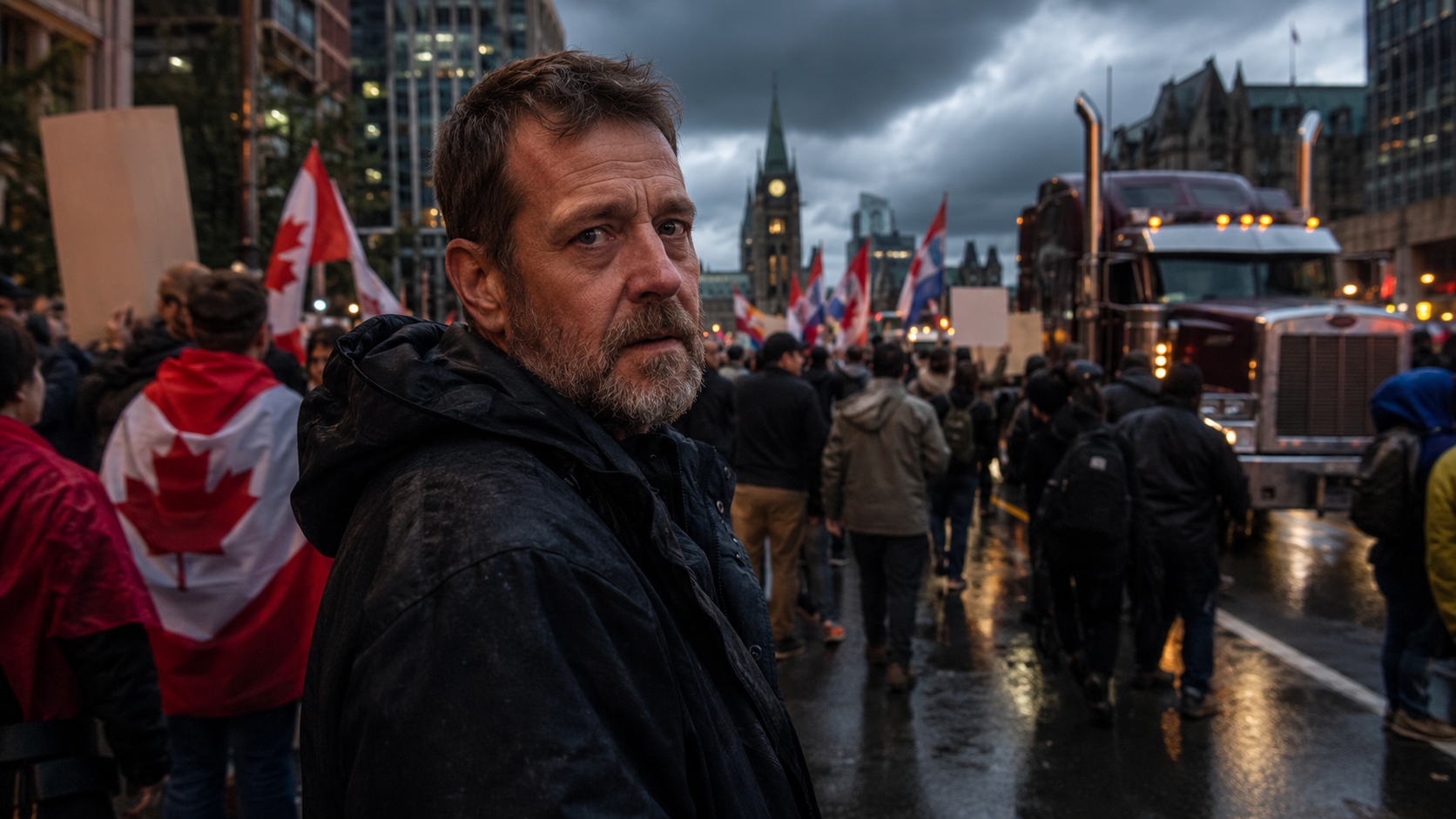
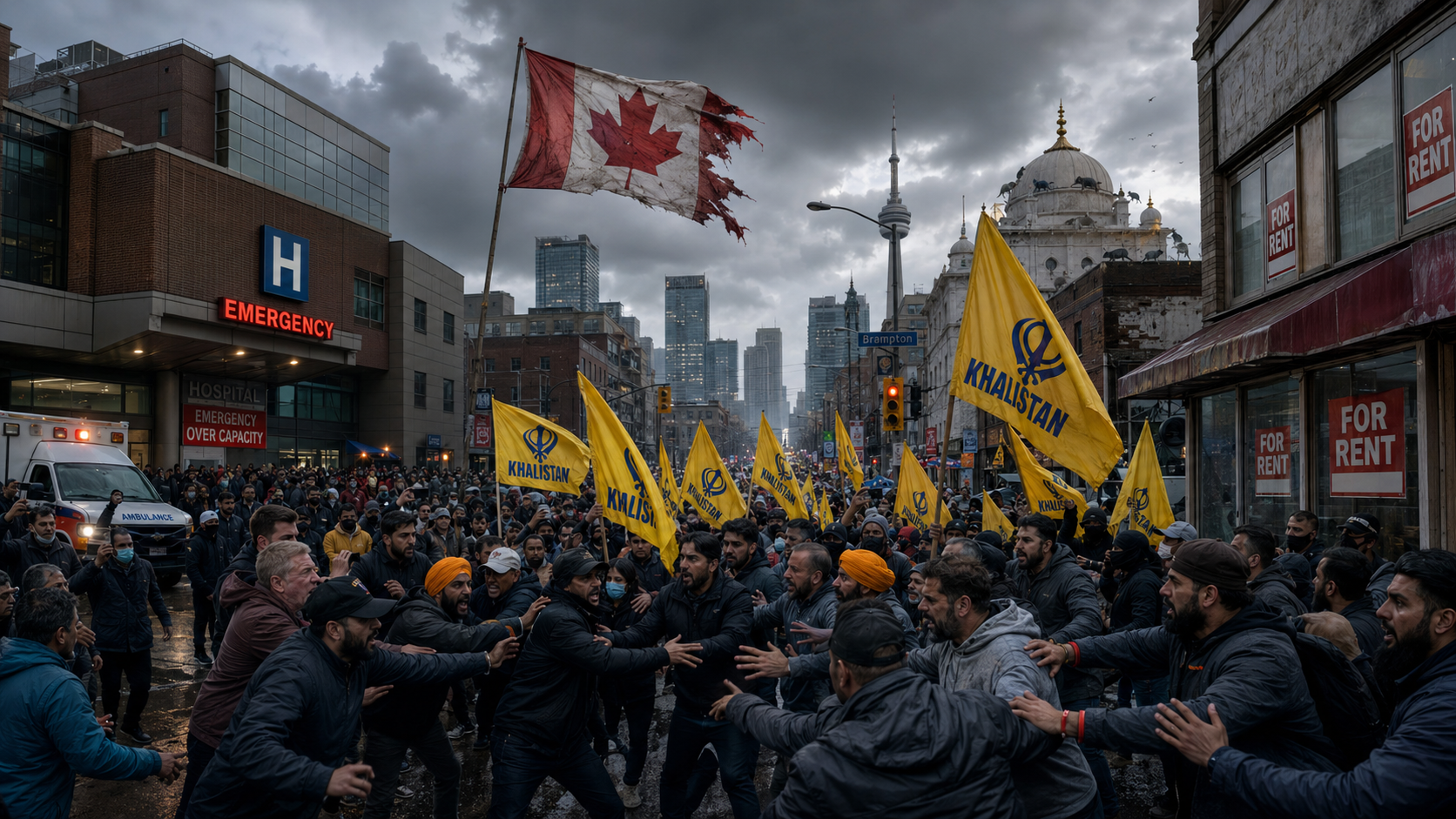
But the question begs to be asked: Where does this leave the protesters who, just last week, took to the streets of our cities, burning the very symbol of our nation, and chanting hateful slogans like ‘Death to Canada’? It is critical to consider the broader implications of such actions on our social fabric and the sense of national unity. Will these individuals, who openly expressed their support for a group now labelled as terrorist, face any consequences?
The potential for backlash against these protests raises concerns about the balance between freedom of expression and the responsibilities that come with it. Or will their actions be brushed aside as mere expressions of free speech, leading to an environment where extremist views can flourish unchecked, ultimately undermining the values of respect and tolerance that we strive to uphold?
The line between peaceful protest and incitement to violence becomes increasingly blurred, prompting a deeper dialogue about our collective integrity and the future of civic engagement in our diverse society.
Rights and Responsibilities
The Canadian Charter of Rights and Freedoms guarantees the right to peaceful assembly and freedom of expression, both of which are essential tenets of a democratic society that values individual liberties and open dialogue. However, it is crucial to recognize that there is a fine line between expressing one’s views and crossing into the dangerous territory of inciting hatred or violence against others, which can have dire consequences for community cohesion and social stability.
If Samidoun is indeed classified as a terrorist organization by the relevant authorities, then it stands to reason that those individuals and groups who openly support and promote its activities must be held accountable for their actions and rhetoric. This accountability is imperative not only for the preservation of public safety but also to uphold the rule of law and protect the democratic values we cherish.
To do otherwise would be to create a gross double standard, thereby undermining the very principles upon which our nation is founded and eroding the trust that citizens place in their governance and legal frameworks. In this context, it is essential that we navigate these complex issues with vigilance and a commitment to justice for all.
Justice System’s Test
The Canadian justice system is known for its fairness and impartiality, taking pride in its commitment to upholding the rule of law and the rights of all citizens. It is now time for that system to be put to the test, as we face unprecedented challenges that question its integrity and effectiveness.
Will the law be applied equally to all individuals, regardless of their political beliefs, social standing, or affiliations? Or will the authorities turn a blind eye to the actions of those who dare to challenge the status quo, possibly undermining the very foundations of democracy?
As tensions rise and public opinion divides, it becomes crucial for the Canadian legal framework to demonstrate its resilience and commitment to justice, ensuring that every person is held accountable under the same standards and that no one is above the law, irrespective of their influence or power. In a time where trust in institutions is paramount, the ability to navigate through such trials will define the character of the nation and its commitment to equality and justice for all.
Conclusion…

The answer to this question will not only shape the course of Canadian politics but will also send a powerful message to the world, reflecting the values and principles that Canada upholds on the global stage.
Will Canada stand firm in its commitment to combating terrorism and upholding the rule of law, ensuring the safety and security of its citizens, while maintaining its dedication to human rights and democratic ideals? Or will it allow extremism to fester, threatening the very fabric of our society, undermining the trust among communities, and jeopardizing the progress made toward inclusivity and understanding?
In this critical moment, the choices made by leaders and citizens alike will resonate far beyond our borders, influencing international perceptions and alliances in an increasingly complex and interconnected world.
We want to hear from you! What are your thoughts on Canada designating Samidoun as a terrorist entity? Do you agree with the government’s decision, or do you have concerns about the implications for free speech and protest rights?
Please post your comments below and join the conversation!