
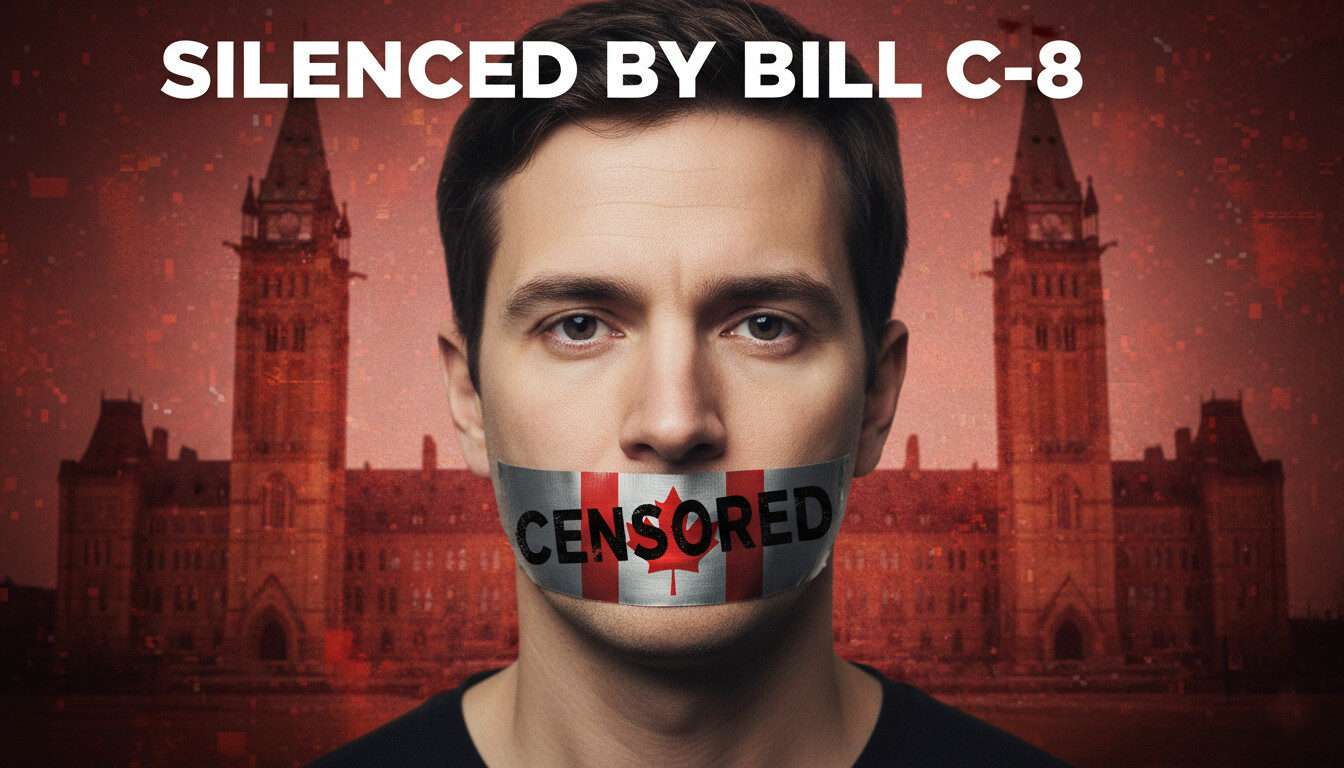
The Boiling Point

Canadians are running out of patience. We’ve watched our freedoms shrink one regulation at a time while the Liberal government wraps every power grab in a ribbon labelled “safety.” Now, with Bill C-8 on the table, the mask is off. It’s not about cybersecurity, it’s about control.
Mark Carney’s Liberal government wants the power to decide who gets to exist online. They already tested their appetite for financial punishment by freezing bank accounts during the convoy protests. Now they’re laying the digital groundwork to pull the same stunt whenever they feel “threatened.”
Bill C-8 is being sold as protection from hackers. In reality, it’s a digital leash tied around every Canadian’s neck.
What’s Hidden Behind the Buzzwords
The official title sounds harmless enough: An Act Respecting Cyber Security, Amending the Telecommunications Act and Making Consequential Amendments to Other Acts.
But tucked inside that mountain of legal jargon is language so vague it could outlaw dissent. The bill lets the Industry Minister or Cabinet order any telecom provider, Bell, Rogers, Telus, to shut off service to anyone deemed a “threat” to Canada’s telecom system.
No warrant. No trial. No oversight.
The exact wording says the minister may act if there are “reasonable grounds to believe” it’s necessary to secure the system “against any threat.” That’s it. Any threat. Not terrorism. Not espionage. Just a threat, as defined by the people in power. In other words, anything they don’t like you talking about!
So when the same crowd that calls criticism “hate speech” gets to define what a “threat” means, what could possibly go wrong?
(Source – Canadian Parliament Bill C-8 text)
The Secret Power Switch

Here’s where it turns Orwellian.
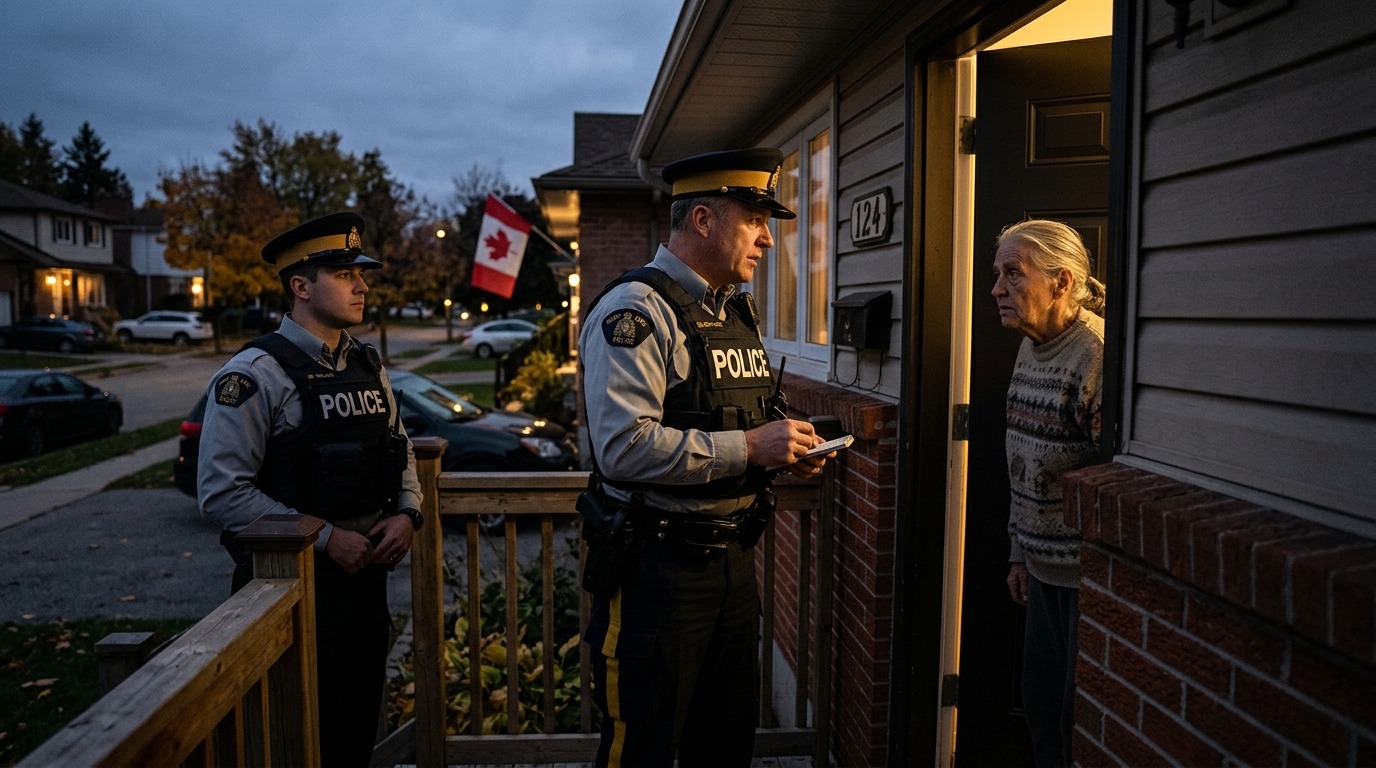
Buried in Section 15.2 is a clause allowing the minister to make these orders secret. Telecom companies can be forbidden from disclosing that such an order even exists. If your phone goes dead and your internet vanishes, you won’t know why, and neither will anyone else.
That means you can be digitally erased without a single public record. No judge, no warrant, no explanation.
The Canadian Constitution Foundation sounded the alarm: Bill C-8 would “allow the minister to secretly cut off phone and internet service.” They warn this isn’t hypothetical; the powers are written right into law.
(CCF analysis)
This is the kind of authority used by regimes that fear their citizens. And we’re supposed to clap for it under the banner of “cybersecurity.”
A Surveillance State With a Polite Smile

If the Liberals get their way, “cybersecurity” becomes the new magic word for spying.
Section 15.4 gives the government the ability to compel anyone to hand over information “at any time” they choose. That can mean your contact list, search history, or the entire contents of your cloud storage. No warrant required.
Imagine the government deciding you might be a “digital threat” because you criticized their carbon tax. They could demand your data from your internet provider, and that provider would be legally forced to comply.
Civil-liberties experts at the Canadian Civil Liberties Association have blasted the bill, saying it “grants sweeping powers without accountability” and “permits secret orders to trump public regulation.”
(CCLA report)
When watchdog groups are comparing your legislation to authoritarian regimes, maybe the problem isn’t “misinformation.” Maybe it’s the people writing the laws.
The Liberal Pattern of Overreach
This isn’t an isolated incident. Bill C-8 follows the same playbook as Bill C-9, the so-called hate-speech bill, which gives Ottawa new tools to criminalize words, symbols, or statements that hurt someone’s feelings.
Under Bill C-9, the government removes the Attorney General’s oversight before hate-speech charges are laid, adds new “display” offences, and expands what counts as promoting hatred. It sounds noble until you realize who defines “hate.”
The CCLA warned that Bill C-9 “risks criminalizing peaceful protest.”
(CCLA press release)
Now pair that with Bill C-8, which gives the government power to silence people online. Together they form a one-two punch:
- Bill C-9 – controls what you say.
- Bill C-8 – controls how you say it.
The result is a slow-boil censorship machine dressed up in legalese and Liberal talking points.
Meet the New Boss

Mark Carney’s name keeps floating through Liberal circles as the heir apparent to Justin Trudeau, a banker turned political messiah, the kind of technocrat who believes democracy is fine so long as he’s the one steering it.
Carney’s brand of leadership screams control: centralized policy, global coordination, digital finance, carbon credits, and now digital speech regulation.
When politicians start talking about “securing systems,” they usually mean securing their grip on them. Carney and his crew are not interested in protecting Canadians from cybercrime. They’re interested in protecting their narrative from scrutiny.
Remember, these are the same Liberals found guilty by the Federal Court of violating Canadians’ Charter rights when they froze convoy protesters’ bank accounts. They didn’t apologize; they doubled down. Bill C-8 is their digital sequel.
When Dissent Becomes a Threat
The most dangerous part of this bill isn’t the technology, it’s the language.
“Threats,” “interference,” “disruption,” “manipulation.” None of these are clearly defined. That means they can stretch to fit whatever the government dislikes at the moment.
Criticize a policy? Threat.
Post a meme mocking the PM? Interference.
Question election results? Manipulation.
Once those words become tools of governance, free speech becomes contraband.
When the Industry Minister can label speech as “dangerous” and cut off your communication lines in secret, you’re no longer a citizen, you’re a monitored subject.
The Chinese Blueprint
People roll their eyes when you compare Canada to China, but the similarities are hard to ignore.
China’s Cybersecurity Law lets the state block websites, seize user data, and silence “rumours.” Bill C-8 follows the same recipe: wide language, secret orders, and government-defined “threats.”
Once these frameworks exist, they never shrink. They expand. Today, it’s about telecom security. Tomorrow it’s about “digital safety.” Then it’s misinformation, then disinformation, then “online harm.”
Before long, you’ll need permission to speak.
And if you think this can’t happen here, remember: the Emergencies Act was supposed to be a last resort. The Liberals used it to freeze the bank accounts of Canadians waving flags.
Canadians Are Waking Up
The backlash is growing fast. Civil-liberties groups, privacy experts, and everyday citizens are flooding MPs with warnings. They’re connecting the dots between the censorship creep and the erosion of Charter rights.
The Canadian Constitution Foundation says the bill “authorizes the use of secret evidence in court” and “grants powers without accountability.”
(CCF statement)
The Privacy and Access Council of Canada, Open Media, and the International Civil Liberties Monitoring Group all signed letters demanding that the bill be rewritten to include judicial checks and transparency.
Even some Liberal voters are starting to admit it: this is not about keeping Canadians safe, it’s about keeping them compliant.
The Road to Digital Tyranny
If Bill C-8 passes in its current form, here’s what could follow:
- Political Blackouts: critics of the government mysteriously lose internet or phone service. No explanation, no recourse.
- Data Harvesting: telecoms quietly hand over personal information under “national-security” orders.
- Secret Courts: gag orders prevent anyone from talking about what’s happening.
- Normalized Surveillance: future bills build on these powers, expanding them to social media, banking, and IDs.
We’ve seen this movie before. Once the government gains emergency powers, it rarely gives them back.
What Canadians Must Do Now
This can still be stopped, but only if Canadians refuse to sleep through it.
- Contact your MP. Flood their inbox. Tell them Bill C-8 is unacceptable.
- Demand amendments: judicial pre-authorization, transparency, time limits, and clear definitions.
- Support civil-liberties groups: the Canadian Constitution Foundation, CCLA, Open Media. They’ll be fighting this in court.
- Spread awareness: share articles, talk with friends, post on social media before they decide it’s “dangerous content.”
If you let silence win, you’ll wake up one day to find your voice switched off, literally.
Watch the Breakdown
Here’s where you can watch my full breakdown of Bill C-8 and how it ties into Bill C-9.
Conclusion: Freedom Requires Noise
Every democracy dies quietly, drowned in polite language and good intentions. Bill C-8 is the quietest dagger yet, a bureaucratic takeover of your right to connect, speak, and exist online.
The Liberals will tell you it’s about “protecting Canadians.” They always do. But freedom doesn’t need protection from citizens; it needs protection from governments that think they own it.
Canada is supposed to be free, open, and tolerant of dissent. Bill C-8 spits on that promise. This is not about left or right, it’s about power versus people.
If you care about the future of your rights, make noise now. Because once the digital leash is clasped around your neck, you won’t be able to yell for help.
Your Turn
What do you think about Bill C-8 and Bill C-9?
Do you believe these bills are necessary for cybersecurity, or are they Trojan horses for censorship and control?
👇 Scroll down and share your thoughts in the comments.
Let’s make this discussion impossible for the government to silence.




Leave a Reply to Mac HimselfCancel reply