
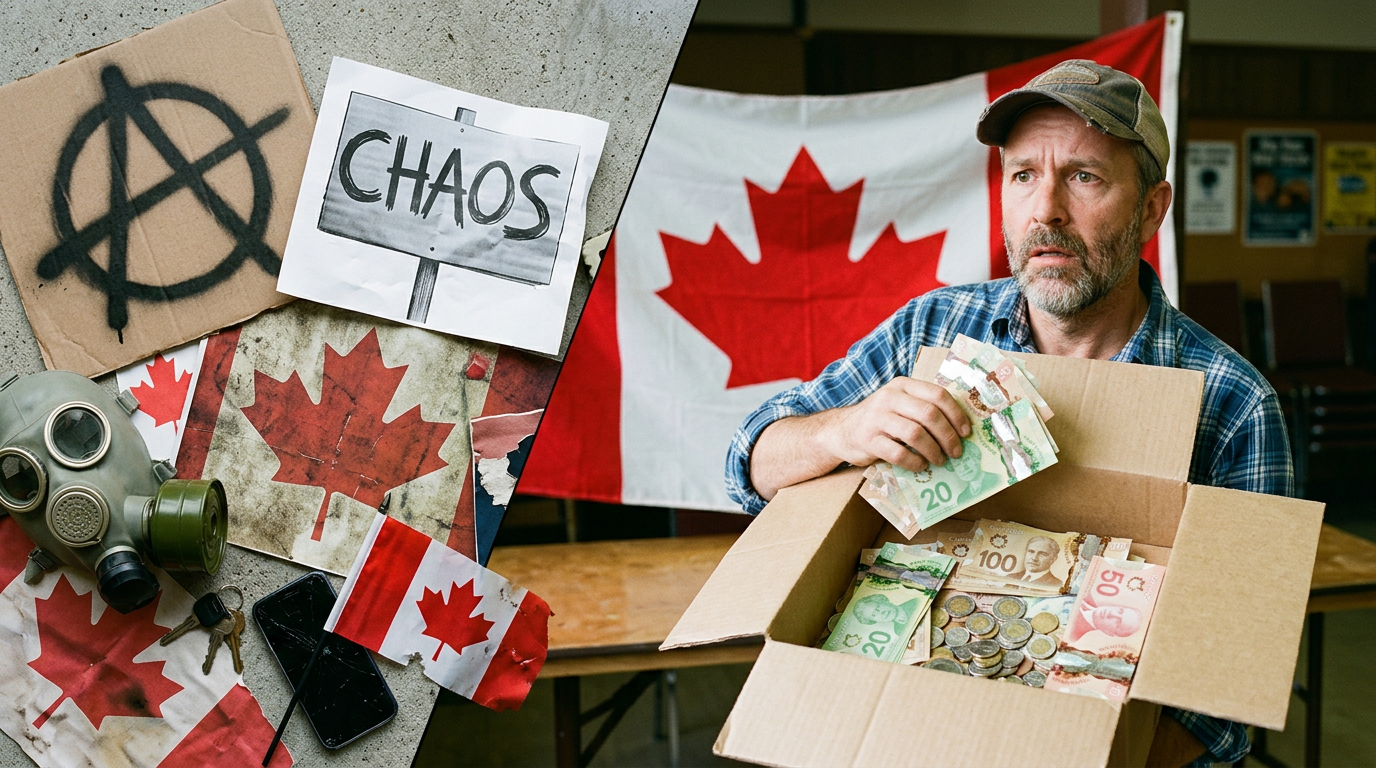

Canada’s Fresh Batch of Taxpayer Madness Exposes Special Interest Grifts and Eroded Rights
Canada keeps serving up fresh examples of taxpayer madness that leave regular folks shaking their heads. From special interest groups demanding millions in federal cash for their pet causes to non-citizens running extortion rings and dumping garbage in our wilderness, the pattern is clear. Politicians enable it all while chipping away at parental authority and begging citizens to fund elite upgrades. This is the Canada we are living in right now, and it is time to call it what it is.
The latest round hits every weak spot in our system. Tax dollars flow to favoured communities for security and education programs. Police chase foreign nationals tied to violent crime sprees. Cultural practices override environmental laws in some places but not others. Parents lose basic access to their kids’ medical information once the child hits twelve. Meanwhile, the prime minister floats a public fundraiser for mansion-level renovations on the official residence. None of it adds up for the people footing the bill.
This taxpayer madness connects directly to the fast-track policies that have flooded certain communities with people who never had to prove they share Canadian values or basic competence. The results show up in daily chaos on our roads, in our neighbourhoods, and now in targeted extortion cases that police openly tie to non-citizens.
📹 Watch the Video That Sparked This Article
The full rant covers every angle of this week’s taxpayer madness with the blunt style you expect. It is worth the ten minutes if you want the raw delivery before reading the deeper breakdown here.
The CMPAC Islamophobia Handbook Grift Hits Taxpayers Hard
The Canadian Muslim Public Affairs Council just dropped its new policy handbook with NDP House leader Heather McPherson standing front and centre for the photo op. They want anti-Islamophobia lessons baked into school curricula nationwide. They also demand $40 million through a dedicated security stream for roughly 755 mosques and 100 Islamic schools. On top of that, they want ten to fifteen percent of the existing one hundred ten million dollar anti-racism strategy and two hundred seventy-three million dollar action plan on combating hate redirected straight to their priorities.
Every single dollar comes from Canadian taxpayers who already watch food banks overflow and youth unemployment climb. The handbook frames this as an urgent structural reform because parliamentary committees supposedly reached consensus on deep institutional change. Yet the same government that finds this emergency funding has no trouble ignoring rising extortion cases or garbage piles left by visitors who treat our wilderness like a free dump.
Why does one community get a dedicated funding stream and curriculum mandates while average Canadians get told to tighten their belts? The demands include community-led education programs, public awareness campaigns, research initiatives, youth engagement, digital literacy projects, and capacity building for Muslim-led organizations. That is a lot of taxpayer money flowing to one set of groups while real safety threats from imported crime networks get softer language and slower action.
This is classic taxpayer madness dressed up as compassion. The same politicians who lecture everyone else about equity somehow find endless cash when the right lobby asks. Regular Canadians see their own communities change fast, and their own kids face two-tier rules, yet the priority remains protecting and funding select interest groups.
Non-Citizen Extortion Rings and the Fast Track Nightmare
Calgary police are pleading for public help after charging sixteen individuals with a total of fifty-six offences tied to extortion and kidnapping. Every last one of them is a non-Canadian citizen, mostly on student or work visas. The targets have been members of the South Asian community itself, proving once again that these imported problems do not stay contained.
This is exactly the kind of chaos the fast track experiment keeps delivering. I laid out the full picture in my earlier piece on how rushed immigration and work permits from high-volume source countries have turned our highways and cities into daily hazards. Unvetted or poorly screened arrivals end up in positions of trust or simply exploit the system, and the rest of us pay the price in rising crime and lost trust.
Over in British Columbia, video shows heavily armed men standing in the back of a moving jeep, waving firearms around like it is normal. What exactly are they training for out there in the woods? It sure does not look like a community dance rehearsal. These clips keep surfacing because the policies that brought the people and the attitudes never included real assimilation standards.

In Mississauga, city councillor Deepika Damerla has made it clear that the dumping of Hindu statues into the Credit River will continue even though it violates environmental laws and threatens salmon habitat. The practice is already illegal, yet enforcement becomes optional when culture gets invoked. Meanwhile, a group of Indian men got caught dumping household garbage in a pristine wilderness area. A local resident filmed it, confronted them, and marched them to the proper dump. That citizen showed more spine than most elected officials.

The pattern is obvious. Lax entry rules and fast-track processing import behaviours that clash with Canadian norms of cleanliness, rule of law, and respect for shared spaces. Then politicians and police tiptoe around enforcement to avoid the racism label. Regular Canadians end up cleaning up the mess, literally and figuratively, while the taxpayer madness of special funding streams keeps flowing elsewhere.
When Cultural Practices Override Canadian Law

Environmental laws exist for good reason. Our rivers and forests support salmon runs, clean water, and the natural beauty that defines this country. Yet in some cases, those laws bend or disappear when a favoured cultural practice is involved. Statues get immersed in the Credit River despite the damage. Garbage gets scattered in the woods until a fed-up local steps in.
This two-tier approach to enforcement breeds resentment. Canadians who follow the rules watch others treat the country like a free-for-all. The same government that lectures everyone about climate and conservation suddenly discovers flexibility when the right group wants to continue old-country habits on Canadian soil. It is not tolerance. It is selective blindness that undermines the very standards that made Canada worth coming to in the first place.
The local hero who filmed the wilderness dumpers and forced them to clean up deserves praise. He did what police and bylaw officers often will not. That kind of citizen action fills the gap left by weak leadership. But it should never have to reach that point. Laws are supposed to apply equally, or they stop being laws at all.
Home Invasions Force Canadians to Defend Themselves
Down in Guelph, a man went on a violent rampage trying to smash his way into multiple homes. Incidents like this keep rising because the justice system has become unreliable. Repeat offenders get released quickly. Police resources stretch thin chasing imported crime networks. Ordinary families now wonder if they will have to fight for their own front door.
Canada still lacks a proper castle law that clearly protects homeowners who defend their property and loved ones. The current rules leave too much grey area and too much risk on the victim. When the system will not reliably remove threats, people naturally step up to fill the void. That is not vigilantism. That is basic survival instinct after years of soft-on-crime policies.
Every new home invasion story adds to the anger. Canadians built this country on the idea that your home is your castle. Yet the same politicians who strip parental rights and fund special-interest security demands suddenly go quiet when regular families need practical tools to stay safe. The hypocrisy is glaring.
Newfoundland Strips Parental Rights at Age Twelve

In Newfoundland and Labrador, the government has decided that parents stop being parents once their child turns twelve. A new policy from NL Health Services ends automatic parental access to medical records starting at that age. Between twelve and fifteen, a parent needs the child’s permission to see anything. At sixteen, the teenager takes full control.
A twelve-year-old still cannot get a tattoo without consent. They cannot open a bank account or sign a contract. Yet suddenly,y they can block their own parents from knowing about their health. Health Minister Lela Evans signed off on this shit. At the same time, the Carney Liberals talk about banning social media for anyone under sixteen because kids that age supposedly lack the maturity to handle it.
The contradiction is absurd. Twelve-year-olds are mature enough to hide medical information from the people raising them, but under-sixteens need government protection from TikTok? This is the same ideological capture that treats parents as potential enemies and the state as the better guardian. It erodes the family unit one policy at a time.
Parents across the country should be furious. Raising children already costs a fortune in this economy. Now the government wants to cut them out of basic medical decisions at an age when kids still need guidance most. This is not progress. It is another front in the war on parental authority, dressed up as youth empowerment.
Pierre Poilievre Refuses to Join the Pride Parade Circus

A reporter asked Pierre Poilievre whether he plans to attend any Pride parades this year. He gave a straight answer. No, it is not in his plan. The follow-up images from various pride events across the country make the decision look pretty reasonable to most normal people.
Parades that once claimed to be about inclusion have turned into explicit displays that many families no longer want to expose their kids to. Politicians who still march risk looking either out of touch or desperate for applause from the loudest activists. Poilievre simply declined to play along, and the usual outrage machine spun up on cue.
This is what real leadership looks like on cultural issues. You do not have to endorse every activist demand to represent the broad middle of the country. The fact that declining a parade invite now counts as controversial says more about the captured institutions than it does about any individual politician.
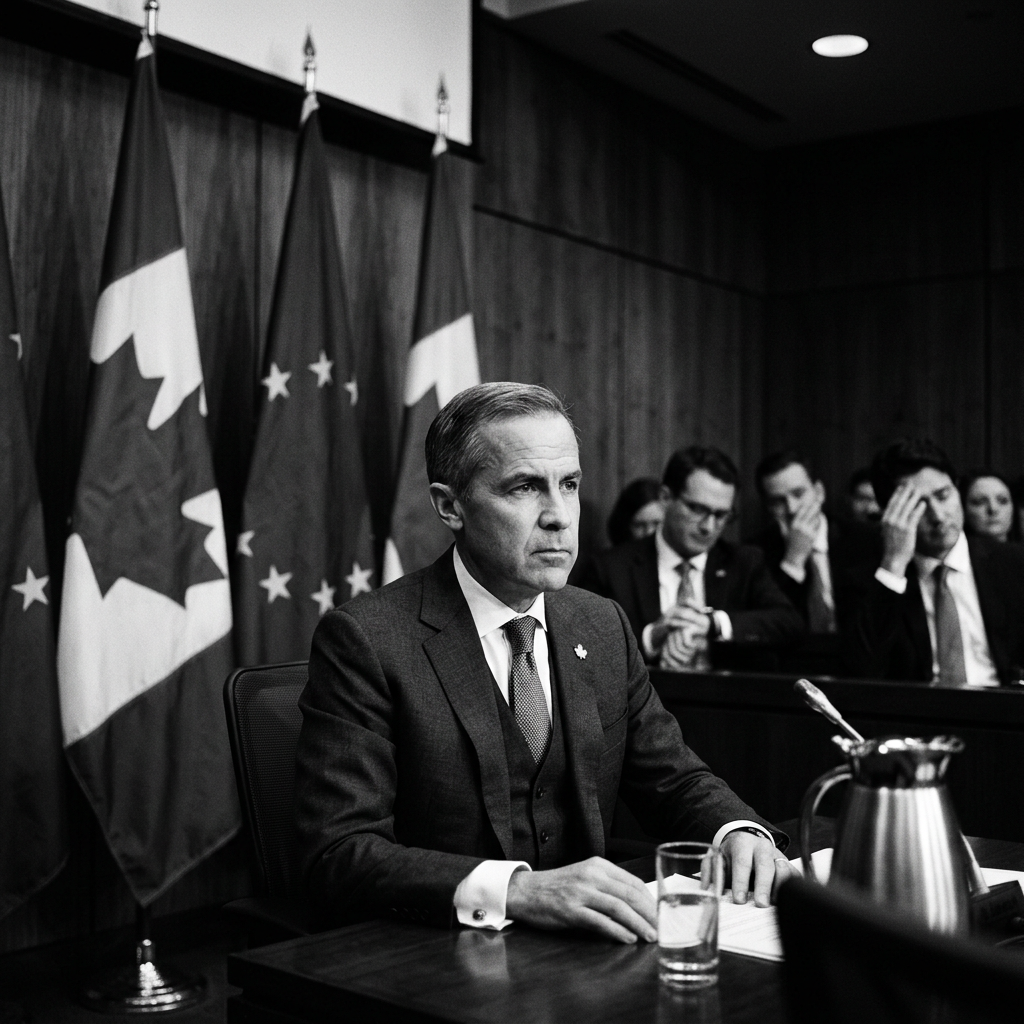
Mark Carney’s Renovation Begging Bowl Exposes Elite Tone Deafness

Mark Carney wants regular Canadians to chip in through a public fundraiser and national design competition to fix up 24 Sussex Drive. The official residence has sat neglected for years, and now the solution involves crowdfunding upgrades while the prime minister himself will reportedly not even live there. At the same time, he has already run up hundreds of thousands in taxpayer-funded in-flight catering bills for luxury travel, including expensive salmon and special butters on just a handful of flights.
This is the same man whose government sends billions overseas for foreign projects while food banks inside Canada set new records. He lectures citizens about sacrifice and then asks them to pay for mansion-level renovations on a property most will never see. The suggestion that people melt down a previous expensive rink project or skip another European trip to cover curtains is not a joke. It is the logical response to this level of taxpayer madness.
Canadians already fund the prime minister’s travel, security, and staff. Now they are supposed to feel grateful for the chance to donate extra for his living quarters? The disconnect from everyday reality could not be clearer. While youth struggle to find work and seniors choose between heat and groceries, the elite class keeps finding new ways to spend other people’s money on their own comfort and image.
The Common Thread Running Through Every Story
Every one of these stories points back to the same failure. Government prioritizes special interest demands, imported problems, and elite comforts over the basic safety, rights, and fairness that average Canadians used to take for granted. Funding streams appear for favoured groups. Enforcement softens when culture is invoked. Parental authority gets redefined by bureaucrats. Crime networks tied to fast-track arrivals operate with relative freedom until public pressure forces action.
This is not accidental. It is the predictable result of years of policies that treat the historic Canadian population as the problem and every new demand as a moral obligation. The people who built this country from wilderness through law, technology, and institutions now watch their kids inherit a version where rules bend for some and harden for others.
The Carney Liberals and their NDP enablers keep telling us this is compassion and progress. Regular Canadians see something else entirely. They see their tax dollars funding parallel systems, their neighbourhoods changing without consent, and their own authority as parents and homeowners getting stripped away piece by piece.
What Happens Next Depends on Us
Canada still has time to correct course, but only if enough people stop staying quiet. The fast-track experiment needs real scrutiny and real reversal before more damage piles up. Special interest funding demands deserve the same cold eye we apply to every other budget line. Parental rights need restoration before another generation grows up believing the state knows better than mom and dad.
Castle law protections should be straightforward. Environmental rules should apply equally regardless of whose tradition is involved. And prime ministers should fund their own residence upgrades the old-fashioned way instead of passing the hat to struggling families.
The taxpayer madness on display this week is not sustainable. It breeds division, resentment, and eventual backlash. The only question is whether we force the change through the ballot box and public pressure before the country looks even less like the one we grew up in.
If this piece fired you up, share it with someone who still thinks everything is fine. Drop your thoughts in the comments. And if you have not already, subscribe to my YouTube Channel so you never miss the next round of straight talk on what is really happening to this country.
CHEERS! 🍻
❓FAQ
What does the CMPAC Islamophobia handbook demand from Canadian taxpayers?
The handbook calls for $40 million in dedicated security funding for mosques and Islamic schools, plus 10-15% of existing anti-racism and hate-combating budgets redirected to community programs, curriculum changes in schools, and fighting online misinformation. All funded by Canadian taxpayers.
Why are non-Canadian citizens linked to Calgary extortion cases?
Calgary police arrested 16 people facing 56 charges in an extortion and kidnapping probe. None are Canadian citizens; most are on student or work visas. This fits broader patterns of imported crime tied to fast-track immigration policies.
What changed with parental medical record access in Newfoundland at age 12?
NL Health Services ended automatic parental access to children’s medical records starting at age 12. Parents now need the child’s consent between 12 and 15, and teens gain full control at 16. This clashes with the same government’s push to restrict social media for under-16s due to immaturity.
Is Mark Carney really asking Canadians to crowdfund renovations on Sussex Drive?
Yes. Carney announced a national design competition and public fundraising campaign via donations to help restore 24 Sussex Drive. This comes after hundreds of thousands in documented taxpayer-funded in-flight catering and luxury travel expenses.
How does the fast track experiment connect to rising crime and disorder?
Rushed immigration and work permits with reduced vetting have led to unqualified drivers, cultural clashes, littering, and now targeted extortion networks involving non-citizens. See my full breakdown in the linked article on Canada’s Fast Track Experiment Nightmare.




Leave a Reply