

Boiling Point: Canadians Are Fed Up – Immigration Fatigue is Real
Canada once promised opportunity and stability. A society where newcomers and long-timers could coexist, where those arriving would adapt, contribute, and respect the rules. That story is cracking. Immigration numbers swell, services buckle, jobs feel stolen, and communities feel ignored. Many Canadians sense they’re being pushed aside.
Across the country, people are murmuring, then shouting. “Immigration fatigue” isn’t some fringe slogan anymore. It’s becoming mainstream. The anger isn’t always polite. It isn’t always coordinated. But it is real.
When “Rights” Replace Responsibility

Across Ontario, viral videos show reckless driving, mockery of law enforcement, demands of “racism,” and insults hurled at cops. These images matter because they tap into a growing belief that some new arrivals don’t accept Canada’s rules, rules of driving, policing, and basic respect.
One example: a man arrested for speeding and stunting claims racism when caught. He films the officer, shouts about his “rights,” and belittles the cop’s income. No admission. No accountability. Discipline becomes a debate, and enforcement becomes a political act.
If newcomers expect Canada to change so they “feel comfortable,” how long until the rules stretch so thin they fail? Respect for law, safety, and order isn’t a cultural quirk. It’s the foundation. When it cracks, chaos follows.
Crumbling Services: Healthcare, Housing, Jobs

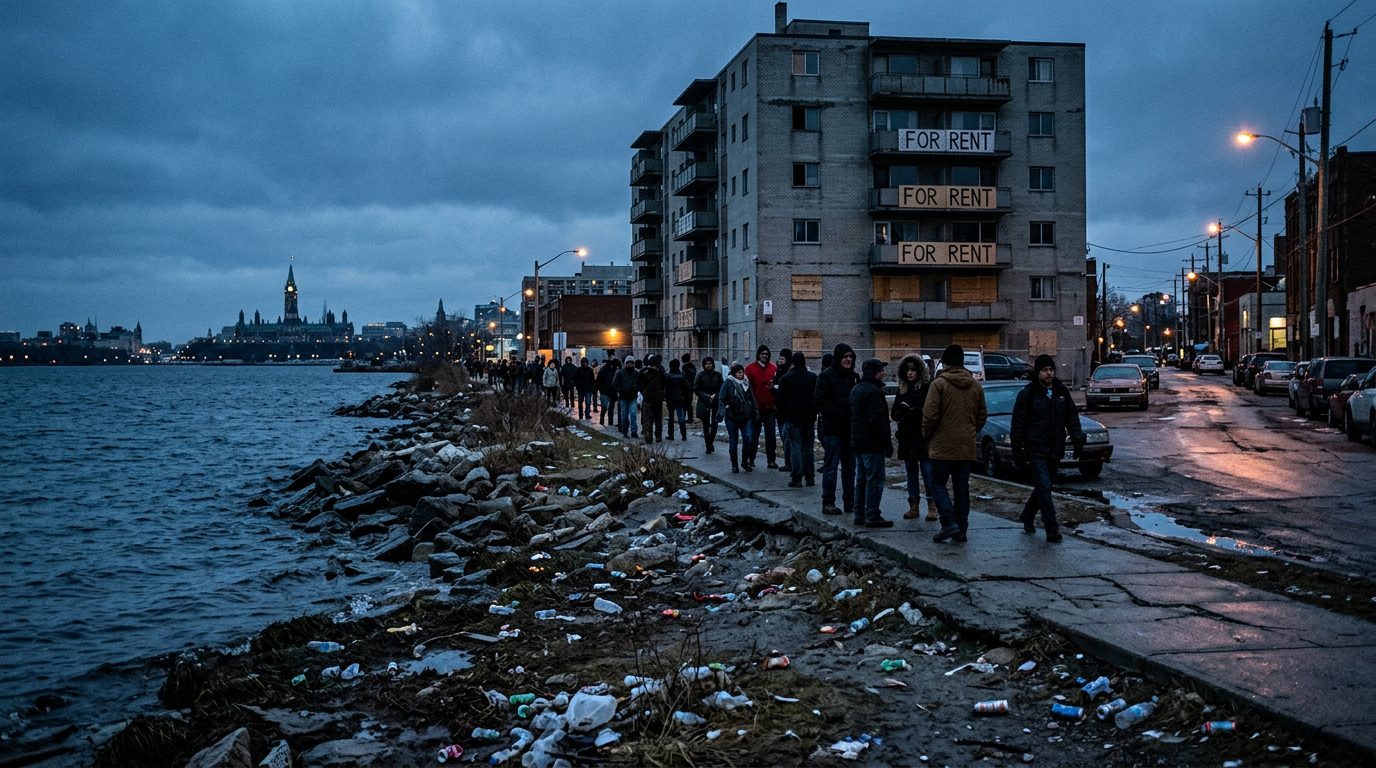
Large migrant inflows need infrastructure: hospital beds, clinics, schools, and housing. But those systems are under strain. Canadians wait longer for surgeries. ERs overcrowd. Housing prices spike so high that young people think owning a home is a fairy tale.
Immigration isn’t the only culprit, but when hundreds of thousands arrive each year, many without clear vetting or credential checks, what happens to people who were already struggling?
The job market is another flashpoint. Many newcomers compete for the same work. Some settle for lower pay. Others get funnelled into jobs despite questionable vetting. Canadians who once counted on stable work now must fight harder or settle for less.
Culture Wars Arrive with Luggage
Newcomers are told: leave behind what doesn’t fit here. Respect Canadian values. Learn an official language. Embrace public order, the rule of law, tolerance, equal rights, and peace.
Instead, too often, Canada is importing public fights over religious symbols, inter-community rivalries, and demands that public spaces change to fit private customs. Complaints about “Islamophobia” become headlines, while many Canadians argue it’s really about respecting mutual norms.
One example: a woman complained there wasn’t enough halal food in supermarkets. Broadcast like entitlement. If people choose a country, they should bring values of contribution, not demands to reshape everything around them.
Quote That Shakes the Narrative
A recent National Post / University of Toronto Investigative Journalism Bureau report landed like a bombshell:

“Recent Indian immigrants – particularly Punjabis – are scamming their way into Canada and the U.S. with organized gangs from their communities.” (National Post / IJB Report)
That’s not an angry blog rant. That’s investigative journalism. The report alleges organized networks within certain immigrant communities are involved in fraudulent schemes. Whether every detail is proven or not, the fact that it exists matters: Canadians are hearing it. Trust fractures further.
Why the System Keeps Failing
When fraud, crime, or misuse of migration programs are exposed, the default government or media response is often “not all immigrants,” “this is fringe,” or “don’t generalize.” Those mantras, repeated without visible fixes, fuel resentment.
Canadians see hospitals overcrowded, housing scarce, and violent incidents involving people unfamiliar with Canadian norms. Then they see weak enforcement or lenient punishment.

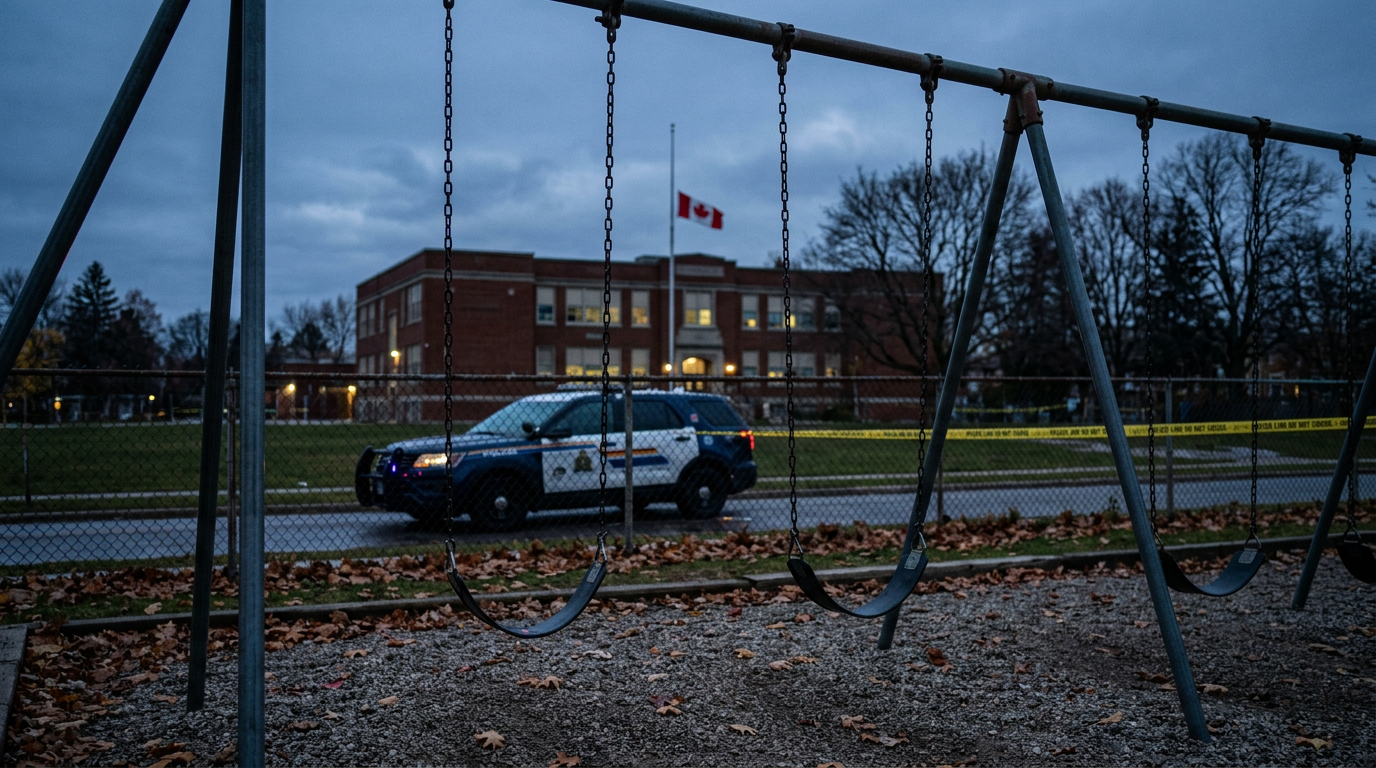
Take Richmond Hill, Ontario. A 70-year-old immigrant driver, Vinay Kumar Gupta, smashed into a daycare. One toddler died. Six children were injured. Three adults were hurt. The court needed a Hindi translator. Bail: $25,000. Outrage wasn’t only about the tragedy. It was about perception that the justice system bends differently for newcomers than for Canadian citizens.
Healthcare: Overwhelmed, Under Pressure
Every new arrival needs doctors and hospitals. Many need translators, specialists, or ongoing care. As hospitals stretch, wait times rise. For cancer patients or heart surgery candidates, every delay matters.
Canadians pay steep taxes. They expect priority in their own system. Yet with a constant influx and no proportional infrastructure expansion, ordinary people suffer. Veterans, the elderly, and the working poor, often hit hardest.
Housing: Roofs Turn Into Luxury Items
Housing in major cities has turned into a cruel joke. Rents skyrocket. Home prices soar out of reach. Developers throw up condos and rentals, but supply lags demand.
Immigrants cluster in urban hubs, intensifying local housing crises. Long-time Canadians are pushed into distant suburbs, commutes become brutal, and down payments look like lottery jackpots. Young people wonder if they’ll ever own a modest home in the city where they grew up.
Law, Justice, and Double Standards
Case after case feeds a perception of two-tier justice:

- Violent offenders are released on bail, sometimes multiple times.
- Charges were reduced to “diversion” programs with counselling instead of jail.
- Repeat offenders roam the streets while police warn the public of “possibly more victims.”
Confidence plummets when Canadians see violent sexual offenders released back to their mothers’ custody or men who assault women in parking lots getting counselling instead of prison. Whether or not the legal nuance supports it, the perception sticks: immigrants get softer treatment.
Imported Conflict: Rivalries and Rituals
Centuries-old rivalries don’t vanish at customs. In Brampton, Diwali celebrations turned into violent clashes between Hindu and Sikh groups. At Wasaga Beach, Hindu idols, plaster, cement, and plastic coated in toxic paint, were dumped into waterways under the guise of tradition, poisoning lakes and fish.
Diversity is a strength when everyone agrees on shared Canadian rules. But importing feuds, factions, and toxic practices leads to fragmentation, not unity.
Resentment Grows Because Leadership Ignores It
Across Europe, governments are forced to grapple with immigration backlashes. Protests in the U.K. fill the streets. In Canada, leaders act as if raising concerns is bigotry. That silence fuels frustration.
Online, Canadians vent. They tell stories of ER delays, housing struggles, and job losses. They feel invisible. And when ignored long enough, silence transforms into fury.
Everyday Cases That Say It All
Recent headlines and viral clips tell a blunt story:
- An entitled immigrant tossing garbage on Canadian streets after bragging about “paying taxes.”
- Garbage is dumped in Brampton neighbourhoods and Ontario forests.
- Road rage fistfights on Highway 401.
- LCBO robberies are carried out in daylight with no fear of consequences.
- Secret filming of women in public.
Each incident adds to the narrative of disrespect, and each one chips away at patience.
What Needs to Change
Canadians aren’t calling for cruelty. They’re calling for sanity. Real fixes include:
- Strict vetting of immigration, credentials, and language skills.
- Enforcing laws without apology. Break Canadian law, face Canadian justice.
- Expanding services proportionally. Don’t pile newcomers onto broken systems.
- Encouraging assimilation. Newcomers should learn the laws, respect norms, and contribute.
- Transparency. Investigate fraud and crime openly. Don’t bury stories.
- Dialogue. Listen to Canadians. Don’t smear concerns as hate.
Warning: The Boiling Point Is Near
If leaders keep ignoring this, Canadians will erupt. Protests, electoral shifts, and deep polarization are coming. When concerns are mocked or dismissed, citizens don’t calm down. They double down.
Immigration can benefit the country, but not if it’s done recklessly. Fatigue is already turning into anger. And anger, left unchecked, will shape Canada’s future more than any policy paper.
Final Word

Immigration fatigue is real. It’s not paranoia. It’s a reaction to crumbling systems, imported conflicts, two-tier justice, and leaders who refuse to listen.
Canadians deserve accountability. They deserve services that work. They deserve law and order applied fairly. They deserve leaders who stop gaslighting them with empty slogans.
Change is overdue. Because if it doesn’t come soon, fatigue will turn into full-blown fury. And rebuilding from that will be messy.



Leave a Reply