
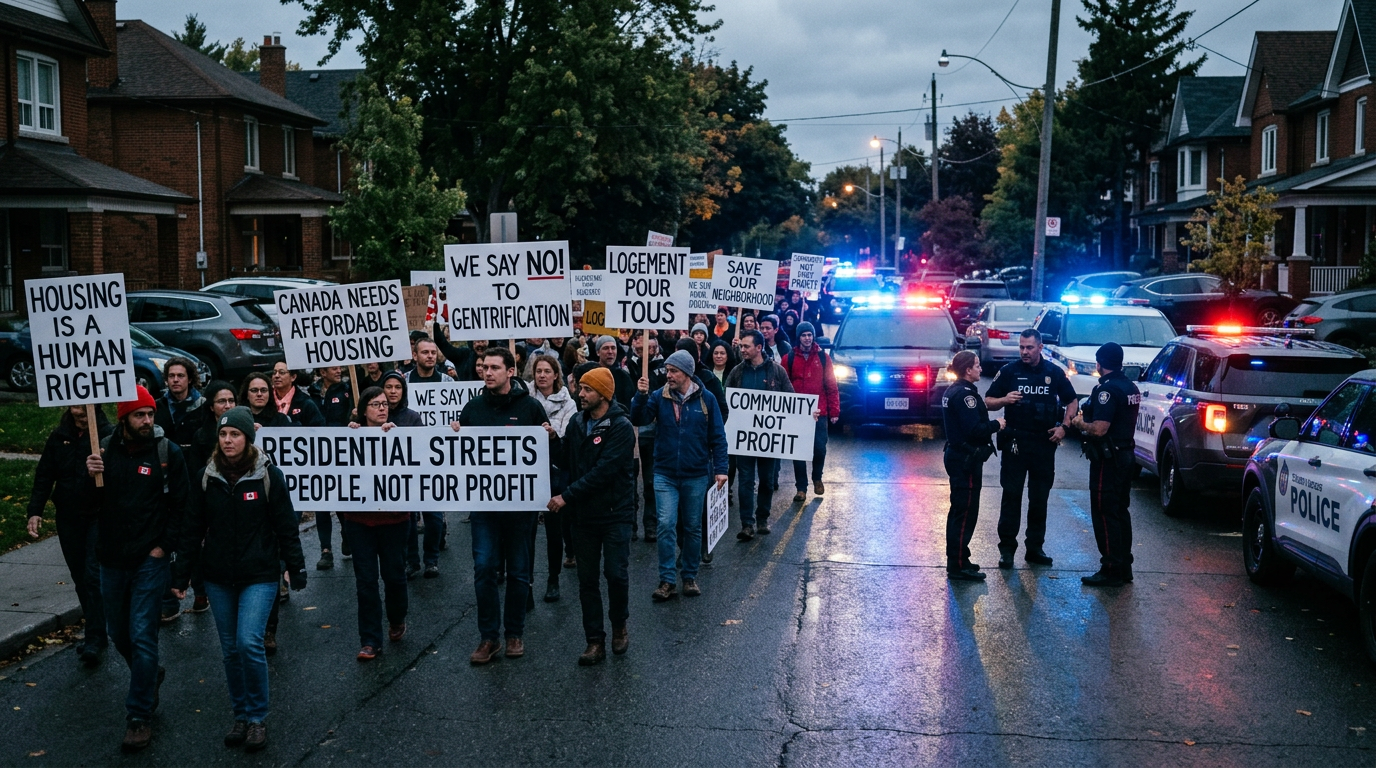

Canada’s Immigration Failures Are Turning Quiet Streets Into Chaos
I used to believe the Canada I grew up in still existed somewhere under all the political noise. Neighbours looked out for each other. Residential streets stayed residential. People used washrooms instead of the side of the road. Drivers kept their vehicles from falling apart mid-highway. Taxi rides did not turn into unwanted advances. Courts put public safety ahead of an offender’s immigration paperwork. That Canada feels like a memory now, and the evidence keeps piling up in plain sight. The immigration crisis in Canada has moved past abstract talking points and landed square in the middle of ordinary life, and the people paying the price are the ones who never asked for any of it.
Walk down certain blocks in Calgary, and you will hear the change before you see it. Full stages go up in backyards. Bollywood tracks blast day and night as if the entire street signed a contract to host a private outdoor festival. Residents who complain get treated like the unreasonable ones for expecting a quiet neighbourhood to stay quiet. The same pattern shows up on front lawns. Music and performances spill onto the road.
Traffic gets blocked. Smoke bombs go off while drivers try to get home. Everyday Canadians become unpaid extras in someone else’s cultural production. This is not cultural exchange. This is occupation of shared space by people who act as if Canadian norms no longer apply to them.

The pattern does not stop at noise. A trucker near Dryden, Ontario, steps out of his cab at a simple pullout and finds human waste scattered across the pavement. He is left shaking his head, wondering why a washroom was too much trouble. He knows the usual culprits, and so do most of us who still notice these things. Civility is not a mystery. Canadians who grew up here do not treat public rest stops like open latrines.
The same disregard shows up on the highway itself. A trailer comes apart while still rolling down the road. A concerned driver follows for miles, films the hazard, and calls police. The cop arrives, takes the statement, and the rest of us are left hoping the next piece does not fly off into another vehicle. The driver who filmed it made the connection clear. Certain newcomers treat Canadian roads the way they treat Canadian neighbourhoods: rules are optional.
Inside a taxi, the story turns personal and ugly. A young woman has to tell the driver repeatedly to keep his hands to himself and focus on the road. The comments keep coming. The touching continues. A simple ride home becomes a fight for basic dignity. She has to raise her voice, reject the advances, and hope the man finally decides driving is more important than whatever else he has in mind. These are not isolated bad apples. They form a pattern that ordinary Canadians now recognize on sight.
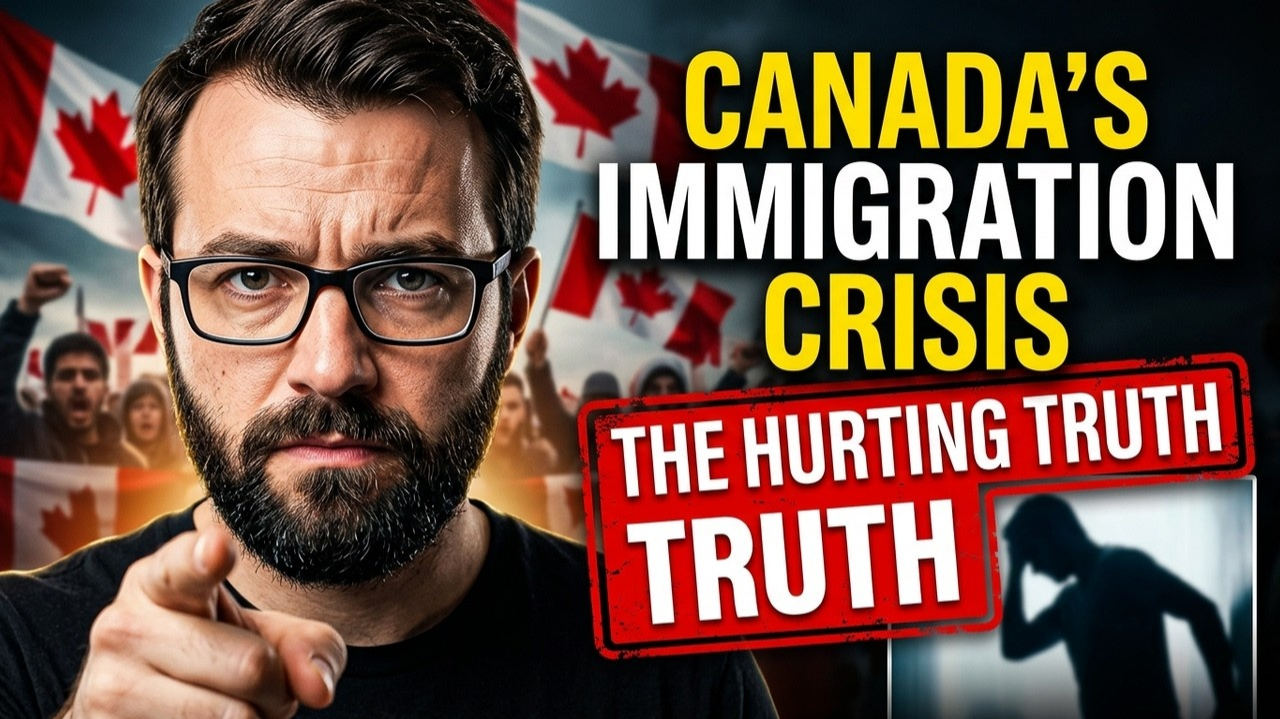
📹 Watch the Video That Sparked This Article
Sexual Crimes and Soft Justice Under the Immigration Crisis in Canada
The criminal cases make the pattern impossible to ignore. RCMP in Morinville charged 34-year-old Jaswindra Nath of Edmonton with child luring and sexual interference involving a 15-year-old. Investigators say he used Snapchat, aliases such as yegnut and yegnutn, and the name Jash. Police released his photo because they believe there may be more victims. A temporary resident named Karandeep Singh pleaded guilty to sexual assault in Prince George. The judge handed him house arrest and probation, then declined to place him on the national sex offender registry because of concerns about deportation. The registry exists to protect the public. In this case, the focus shifted to the offender’s immigration status. Public safety came second.

This is the same soft approach I have written about before in an absurd Canadian court ruling that left a child predator free because the system decided his communication barriers mattered more than the victims. Courts keep finding reasons to prioritize the accused. Canadians keep watching the results.

Hamilton police broke up an organized theft ring targeting Home Depot stores. More than $300,000 in tools and equipment was recovered. Employees reported threats of violence when they tried to intervene. Dozens faced charges, including multiple individuals with the last name Singh. Organized groups stole high-value items and flipped them online. The investigation showed coordination, not random shoplifting. When staff tried to stop it, they faced intimidation. The message to workers is clear: stay quiet or risk your safety.
Some security companies appear to be staffed almost entirely by one community. People start asking whether that kind of one-sided hiring affects how decisions get made on the ground. When the same names keep appearing in crime reports, the questions are not bigotry. They are pattern recognition. The immigration crisis in Canada has imported attitudes that treat Canadian laws and Canadian people as secondary.
Liberal Spin and the Gordie Howe Bridge Deal

While streets fill with noise, waste, falling trailers, and sexual offences, the Liberals keep spinning. Michelle Ferreri caught Liberal whip Mark Gerretsen making false claims about the Gordie Howe International Bridge deal. The new agreement splits net revenues with the United States. Canada paid for the bridge. The text does not wait for the debt to be paid before the sharing starts.
Gerretsen tried to claim otherwise. Pierre Poilievre called out the original misrepresentation from Mark Carney. Gerretsen doubled down. The paperwork tells a different story from the Liberal talking points. Revenue is every dollar that comes in. Profit is what remains after expenses. The agreement language does not match the claims. Another day, another set of statements that collapse under scrutiny.
Ordinary Canadians fund these projects. Ordinary Canadians then watch half the net flow south while the same government lectures them about unity. Truth becomes optional when the goal is protecting the narrative.
Media Subsidies and the Free Speech Chill
A familiar face from CBC finally admitted what most of us already knew. Legacy outlets receive hundreds of millions in subsidies every year. The CBC alone takes in over a billion. Bias against Conservatives in Ottawa is not a conspiracy theory. It is the operating system. Real Canadians stopped trusting mainstream media years ago. The money explains the softness. When your budget depends on the government, tough questions about the government’s immigration failures become rare.

The Justice Centre for Constitutional Freedoms reports that some Canadians are getting visits at home from government officials. The visits concern social media posts made months or even years earlier. Bill C-9, the so-called Combating Hate Act, became law in June. The process is quiet and gradual. Critics say the real goal is to make people think twice before speaking online at all. Should we expect giant red banners with Mark Carney’s face next? The chill is intentional. Speak carefully or get a knock at the door. Police visits already, and the ink on Bill C-9 hasn’t even dried yet.

I watch these developments and feel the ground shift under the country I know. Neighbourhoods that once felt safe now host open-air concerts no one invited. Highways carry trailers that shed parts. Truck stops become open toilets. Taxi rides turn predatory. Courts weigh deportation risk more heavily than the risk to future victims. Theft rings operate with threats. Liberal MPs rewrite bridge deals in real time. State media stays quiet because the cheque clears. And now officials show up at homes over old posts.
The real-world impact hits ordinary Canadians first. Families who want quiet evenings. Drivers who want intact vehicles and clean rest stops. Women who want to take a taxi without fighting off advances. Parents who want their teenagers safe from online luring. Workers who want to stop theft without risking violence. Taxpayers who fund bridges and then watch the revenue shared. Citizens who want to speak without a government visit.
This is not sustainable. A country that cannot enforce basic standards of behaviour, safety, and honesty will not remain a country worth living in. The immigration crisis in Canada is no longer a future risk. It is the present reality on Calgary streets, Ontario highways, British Columbia courtrooms, and Alberta police reports. The Liberals treat every new arrival as a net positive regardless of behaviour. The evidence says otherwise. Canadians who still value civility, safety, and free speech are left holding the bag while the authoritarians in Ottawa lecture them about tolerance.
I refuse to pretend the problems are imaginary. The stage in the backyard is real. The waste on the pavement is real. The falling trailer is real. The taxi harassment is real. The child luring charges are real. The decision to skip the sex offender registry is real. The Home Depot theft ring is real. The bridge revenue split is real. The media subsidies are real. The home visits over old posts are real. Each one chips away at the Canada that once worked.
The solution starts with honesty. Stop pretending every cultural import improves the country. Stop prioritizing an offender’s immigration status over public safety. Stop rewriting deals after the fact. Stop funding media that refuses to ask hard questions. Stop sending officials to private homes over social media history. Enforce the rules that once made Canadian neighbourhoods livable. Deport those who treat the place like a free-for-all. Put Canadians first for a change.
Until that happens, the list of everyday headaches will keep growing. Safety problems will keep showing up in the news. Strange decisions will keep coming from courts and cabinets. And ordinary people will keep paying the price while the people in charge act as if nothing is wrong. I see it. You see it. The only question left is how long we tolerate it before the country we recognize is gone for good.
📹 Watch the Video That Sparked This Article
The video lays out the same pattern I have been tracking. Backyard stages. Road blockages. Waste at pullouts. Falling trailers. Taxi advances. Child luring charges. Soft sentences. Organized theft. Security staffing questions. Liberal spin on the bridge. Media subsidies. Home visits under Bill C-9. Every clip is another data point. Share it. Talk about it. Refuse to look away.
I will keep writing these pieces because silence helps the people who benefit from the chaos. The immigration crisis in Canada is not abstract. It is the noise outside your window, the mess on the highway, the risk to your kids, the threat to your speech. Ordinary Canadians deserve better than this managed decline. We still have time to demand it. The alternative is more of the same until the quiet streets are gone completely.
❓FAQ
What specific incidents highlight the immigration crisis in Canada right now?
Recent cases include loud backyard performances and road blockages in Calgary residential areas, human waste left at truck pullouts near Dryden, trailers falling apart on highways, taxi harassment of female passengers, child luring charges against Jaswindra Nath in Alberta, a temporary resident skipping the sex offender registry after sexual assault conviction in Prince George, and an organised Home Depot theft ring in Hamilton involving multiple individuals with the same surname.
Why did the judge skip the sex offender registry for Karandeep Singh?
The court considered potential immigration consequences and deportation risk for the temporary resident from India. Public safety took second place to the offender’s status.
What is the real Gordie Howe bridge deal with the United States?
Canada funded the bridge. The new agreement requires sharing half of net bridge and crossing-related revenues with the U.S. for the first fifteen years after operating costs. Liberals claim that sharing waits until debt is repaid does not match the text of the agreement.
How does Bill C-9 affect free speech?
The Combating Hate Act expands hate-related offences and penalties. The Justice Centre for Constitutional Freedoms has received reports of government officials visiting Canadians at home over social media posts made months or years earlier.
Why do mainstream media outlets appear soft on these issues?
Legacy outlets including the CBC receive hundreds of millions to over a billion dollars in annual subsidies. Financial dependence on government reduces the incentive for tough coverage of government immigration failures.
What can ordinary Canadians do?
Document incidents, share verified information, support independent voices, contact representatives, and refuse to accept the claim that noticing patterns equals bigotry. Public pressure remains the only force that has ever forced change in Ottawa.




Leave a Reply